
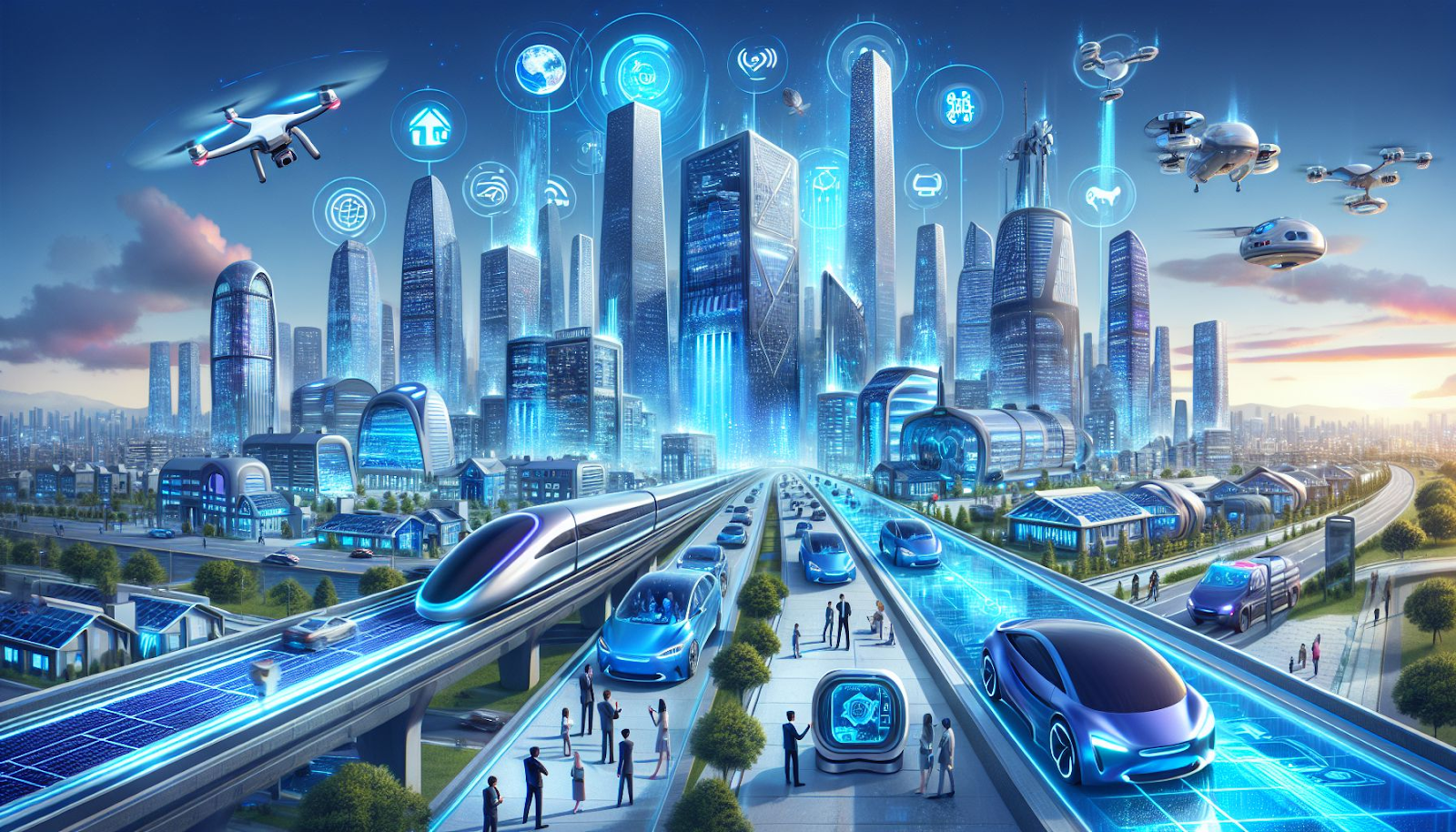
The future of technology isn’t about flashy features, dramatic launches, or raw performance. It’s about calm, reliable systems that quietly work in the background. Across smartphones, software, AI, and workplace tools, the most successful tech is shifting away from spectacle toward usefulness, efficiency, and trust. This change reflects a maturing industry—and users who value simplicity over surprise.
Introduction: When Being “Impressive” Stopped Being Helpful
For most of modern tech history, progress was loud.
New devices arrived with dramatic keynotes. Software updates promised radical transformation. Performance numbers climbed every year, and “more” was always presented as better—more power, more features, more speed.
For a while, it worked. Technology felt exciting because it visibly changed what people could do.
But today, something feels different.
Most people already own devices far more powerful than they need. Apps are packed with features many users never touch. AI demos look astonishing, yet daily workflows remain largely unchanged. Instead of feeling empowered, many people feel overwhelmed.
In this environment, impressive technology has lost its magic.
And so the future of tech is taking a different path—one that doesn’t aim to dazzle, but to disappear.
What It Means When Tech Stops Trying to Impress
When technology stops trying to impress, it doesn’t become less capable. It becomes more thoughtful.
This shift is defined by a clear change in priorities:
- From spectacle to stability
- From raw power to real-world efficiency
- From constant engagement to quiet support
- From novelty to trust
Instead of competing for attention, future-focused technology aims to blend seamlessly into daily life. The best tech won’t ask for applause—it will quietly do its job and move on.
This is not a retreat from innovation. It’s a sign of maturity.
Why the Era of “Impressive Tech” Is Ending
Feature Fatigue Is Real
Many Americans feel buried under options, settings, notifications, and updates. Smartphones, productivity tools, and even household devices now come with layers of complexity that most people never asked for.
According to Pew Research Center, users increasingly report digital fatigue—even as reliance on technology continues to grow. The issue isn’t lack of capability. It’s too much of it.
People don’t want more features.
They want fewer problems.
Performance Gains Are No Longer Felt
A phone that’s marginally faster doesn’t feel life-changing. A laptop that benchmarks higher rarely changes how work gets done.
Once technology reaches a “good enough” threshold, additional power becomes invisible. What users notice instead is:
- Battery life
- Heat and noise
- Stability
- Responsiveness under real conditions
Future tech optimizes for felt experience, not spec-sheet bragging rights.
Attention Has Become the Scarce Resource
Technology once promised to save time. Now it often competes for it.
Constant notifications, alerts, and updates fragment attention and increase stress. As attention becomes more valuable, technology that respects focus becomes more desirable.
This is why the future of tech favors calm design over impressive design.
Real-Life Examples of Unimpressive Tech Quietly Winning
Smartphones: Reliability Over Flash
The most praised smartphone improvements today are subtle:
- Longer battery life
- Smoother performance over time
- Fewer crashes
- Longer software support
Consumers rarely talk about clock speeds or benchmarks anymore. They talk about whether their phone lasts all day and still feels good years later.
That’s the future of consumer tech—unremarkable on day one, indispensable by year three.
Software: Doing Less, Better
Some of the most successful software platforms today deliberately avoid constant reinvention. They resist feature creep and focus on clarity.
They succeed by:
- Offering clear workflows
- Providing strong defaults
- Avoiding unnecessary redesigns
- Maintaining backward compatibility
Instead of impressing users with options, they reduce decision fatigue. Over time, this builds trust—and trust drives retention.
Artificial Intelligence: Quiet Utility Over Big Promises
AI often appears in headlines as a dramatic force—replacing jobs, reshaping society, redefining intelligence.
But most real-world AI value comes from quiet improvements:
- Better recommendations
- Smarter search results
- Fraud detection
- Workflow automation
According to Stanford’s AI Index, narrow, task-specific AI systems account for the majority of deployed value today—not large, general-purpose models.
The future of AI won’t impress most people. It will simply make things work better.
Why Calm Technology Builds More Trust
Trust is built through consistency, not excitement.
Technology that tries to impress often:
- Overpromises
- Introduces instability
- Breaks workflows
- Forces constant adaptation
Technology that doesn’t try to impress:
- Behaves predictably
- Improves gradually
- Respects habits
- Reduces friction
Over time, users trust what feels dependable—not what feels dramatic.
How Product Design Is Changing
Design teams are rethinking what success looks like.
Instead of optimizing for:
- Maximum engagement
- Feature counts
- Visual novelty
They now prioritize:
- Ease of understanding
- Reduced friction
- Fewer interruptions
- Long-term satisfaction
This leads to products that feel calmer and more humane—tools that support life instead of competing with it.
Why the Future of Tech Feels “Boring” at First
Calm technology lacks drama.
It doesn’t demand attention.
It doesn’t constantly change.
It doesn’t shout about itself.
At first, this can feel boring. But over time, boring becomes comforting. Products that don’t cause problems become trusted. Trusted tools become essential.
What feels unimpressive today often becomes indispensable tomorrow.
Sustainability Strengthens This Shift
Flashy technology often encourages rapid upgrades and disposable devices. Calm technology tends to last longer.
According to the International Energy Agency, efficiency improvements are among the most effective ways to reduce technology’s environmental impact without reducing capability.
The future of tech won’t impress you—it will waste less, last longer, and consume fewer resources.
How This Changes the Future of Work
In workplaces, impressive technology often becomes a burden.
Employees don’t want:
- Constant tool changes
- Frequent interface redesigns
- Endless notifications
They want:
- Stable platforms
- Predictable workflows
- Tools that quietly support work
Future workplace tech prioritizes reliability over novelty, reducing cognitive load and increasing focus.
Practical Advice for Consumers
When choosing technology, unimpressive products often deliver the best long-term value.
Look for signs of calm tech:
- Emphasis on reliability and efficiency
- Long software support timelines
- Simple onboarding
- Modest marketing claims
Be cautious of:
- Overuse of “revolutionary” language
- Feature overload
- Frequent disruptive updates
If it feels noisy, it probably is.
Practical Advice for Businesses
Organizations benefit from adopting technology that doesn’t try to impress.
Effective strategies include:
- Reducing tool sprawl
- Prioritizing stability over novelty
- Measuring outcomes instead of features
- Investing in long-term platforms
Quiet systems scale better and fail less often.
Frequently Asked Questions (FAQ)
1. Why won’t future tech try to impress users?
Because trust, reliability, and usability matter more than spectacle.
2. Does unimpressive tech mean weaker tech?
No. It often performs better in real-world conditions.
3. Is this trend driven by consumers?
Yes. User fatigue and demand for simplicity are major forces.
4. How does this affect smartphones?
Longer battery life, fewer gimmicks, and longer support cycles.
5. What about AI—won’t it always be impressive?
Most AI value comes from quiet, task-specific improvements.
6. Is this the same as minimalism?
Related, but broader—it’s about intentional, human-centered design.
7. Why does calm tech build more trust?
Because it behaves predictably and avoids disruption.
8. Will flashy innovation disappear?
No—but it won’t define everyday technology anymore.
9. How can consumers identify calm tech?
Look for stability, longevity, and modest marketing.
10. Is this the long-term future of technology?
All indicators suggest yes, as attention and resources become scarcer.
Final Thoughts: Why Unimpressive Is the New Advanced
Technology has matured.
The future of tech won’t try to impress you with spectacle or speed. It will impress you by not getting in the way—by lasting longer, working quietly, and respecting your time and attention.
In a noisy world, the most advanced technology will feel calm, dependable, and almost invisible.
And that’s exactly the point.