
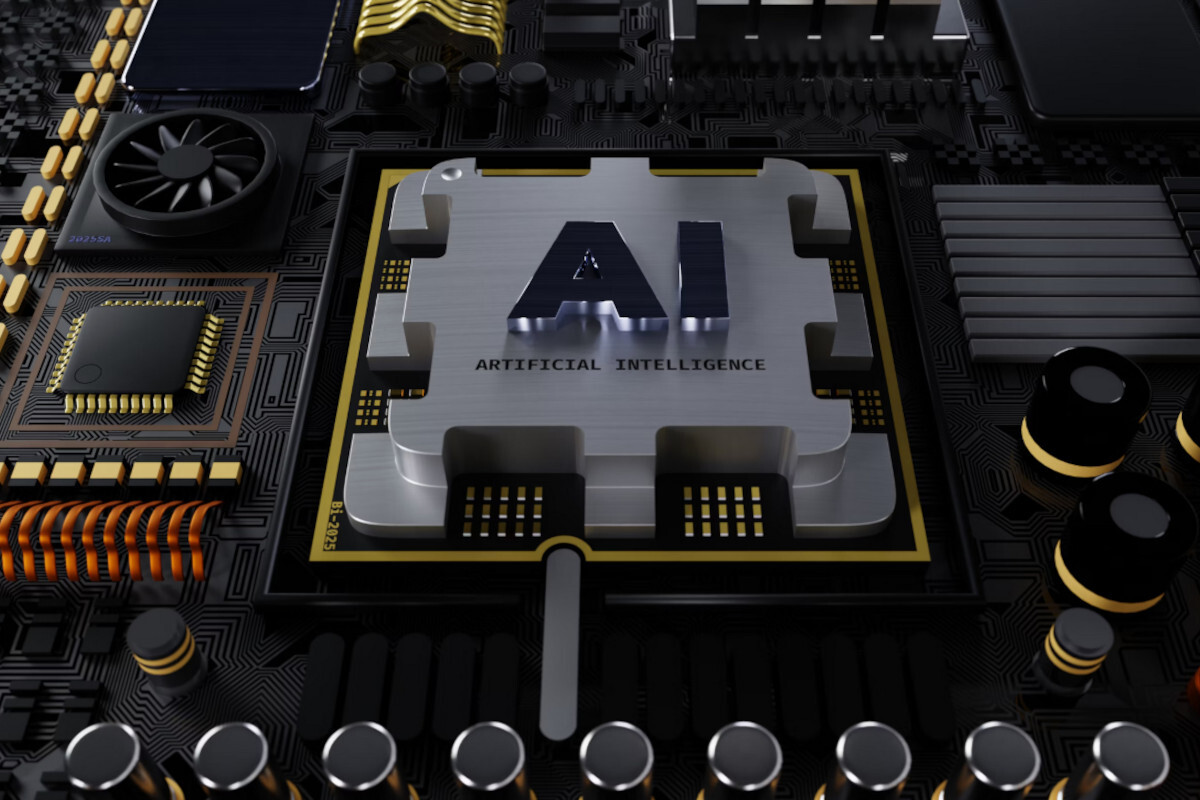
A subtle but transformative tech shift is quietly reshaping the computing landscape, and the so-called “Computing Corner” is at the epicenter. While Big Tech giants scramble to adapt, smaller innovators are pulling ahead, redefining productivity, cloud services, and device efficiency. Businesses and tech enthusiasts ignoring this shift risk missing the next decade of high-impact innovations that will drive user adoption and market dominance.
What Is the Computing Corner and Why Should You Care?
The Computing Corner is not a physical location but a concept describing the next wave of tech innovation. At its heart are specialized computing hubs and startups that are experimenting with hardware-software integration in ways traditional tech companies have overlooked. Think of it as the “quiet revolution” in computing efficiency, cloud-native applications, and AI-driven workflow tools.
For example, companies like Lambda Labs and Cerebras Systems are building systems that perform tasks orders of magnitude faster than conventional setups. By focusing on optimized hardware for AI and data-intensive computing, these innovators are outpacing the solutions Big Tech has relied on for decades.
How Is This Tech Shift Leaving Big Tech Behind?
- Hardware Specialization vs. Generalization
Big Tech often relies on generalized servers and cloud infrastructures. Computing Corner startups are creating hyper-specialized chips optimized for machine learning, rendering, and large-scale simulations. - Speed and Efficiency Gains
Real-world examples show AI workloads completing 5–10x faster on these new architectures. For instance, AI researchers at Cerebras Systems reduced training times for complex neural networks from weeks to days. - Cost Reduction
Optimized hardware reduces energy and cooling costs dramatically. Early adopters report up to 40% lower operating costs compared to traditional data centers. - Open Collaboration
Many Computing Corner companies embrace open ecosystems. They release SDKs, APIs, and research papers, allowing rapid innovation that rigid Big Tech structures often inhibit.
Real-Life Examples of Computing Corner Innovations
- Startup Spotlight: Groq Inc.
Groq’s architecture focuses on low-latency processing for AI. Companies in autonomous driving and high-frequency trading are adopting their solutions to gain microsecond advantages. - Lambda Labs
Focused on AI workstation servers, Lambda Labs allows small to mid-sized enterprises to run deep learning workloads locally, bypassing expensive cloud solutions from Amazon, Google, and Microsoft. - Cerebras Wafer-Scale Engine
The world’s largest chip has been deployed in research labs for genomics and weather simulation, outperforming traditional GPU clusters with fewer resources.
Why Businesses Can’t Afford to Ignore This Shift
- Faster Product Development
Companies using these optimized computing platforms can run simulations and AI training faster, accelerating product innovation cycles. - Competitive Advantage
Early adopters gain operational efficiency and reduced costs, giving them a market edge over competitors reliant on conventional infrastructure. - Future-Proofing IT Investments
As workloads increase in complexity, systems built for generalized processing will struggle to keep up. Strategic investment in Computing Corner technologies ensures businesses stay ahead.
How the Shift Impacts Everyday Users
While most of these developments are behind the scenes, they have a direct effect on end-users:
- Better AI Services – AI assistants, recommendation engines, and smart apps will respond faster and more accurately.
- Improved Cloud Experiences – SaaS platforms powered by optimized backends deliver smoother, more reliable services.
- Lower Costs Passed to Consumers – Efficiency savings may eventually reduce subscription fees and infrastructure costs for end-users.
The Key Technologies Driving This Shift
- AI-Optimized Hardware
Chips designed specifically for deep learning workloads. - Parallel Processing Architectures
Systems that allow simultaneous computation across thousands of cores. - Energy-Efficient Servers
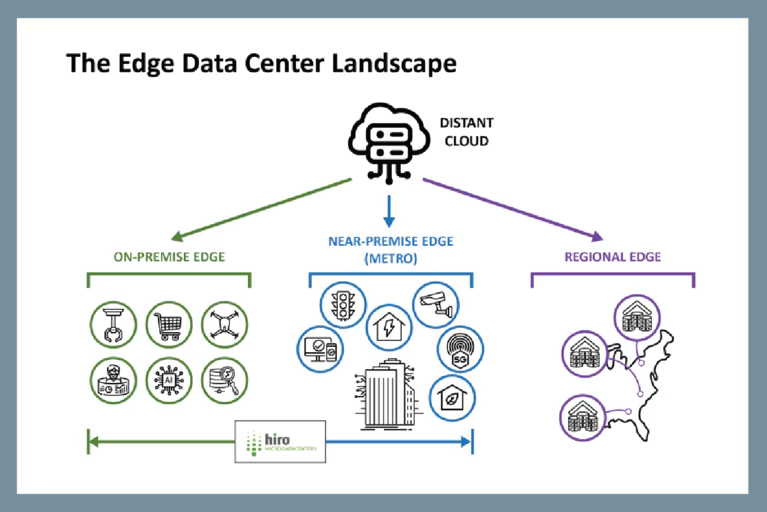
Reduced power consumption without sacrificing performance. - Edge Computing Integration
Processing data closer to users for faster response times. - Hybrid Cloud Architectures
Seamless integration of on-prem and cloud solutions optimized for AI and high-performance workloads.
Frequently Asked Questions (FAQs)
1. What exactly is the Computing Corner?
It refers to the emerging niche of computing innovation focusing on hardware-software co-design for high-performance, AI-driven applications.
2. Which companies are leading this trend?
Cerebras Systems, Lambda Labs, Groq Inc., and Mythic are notable innovators in this space.
3. How does this affect Big Tech?
Big Tech may be slower to adopt hyper-specialized hardware, risking efficiency gaps and lost competitive edge.
4. Are these technologies ready for small businesses?
Yes, companies like Lambda Labs offer AI workstations suitable for startups and mid-sized enterprises.
5. What industries benefit most from Computing Corner innovations?
AI research, genomics, autonomous vehicles, high-frequency trading, and cloud services see immediate advantages.
6. How do costs compare with traditional cloud providers?
Initial investment may be higher, but long-term operational savings are substantial due to reduced energy and hardware inefficiencies.
7. Is there open-source support?
Many startups provide SDKs, APIs, and research collaborations to accelerate adoption.
8. Will this technology impact everyday smartphone or desktop users?
Indirectly, yes. Improved backend AI and cloud services enhance app performance, responsiveness, and cost-effectiveness.
9. How soon should companies adopt these platforms?
Early adoption is recommended for companies with AI-heavy workloads to gain a competitive advantage.
10. What’s the long-term outlook?
The Computing Corner trend is expected to reshape hardware and AI deployment strategies, influencing Big Tech, startups, and end-users for the next decade.
Actionable Advice for Businesses
- Audit Current Infrastructure – Identify bottlenecks where specialized computing could yield benefits.
- Test Early with Pilot Programs – Partner with startups to evaluate real-world performance improvements.
- Invest Strategically – Prioritize workloads that gain the most from hyper-optimized hardware.
- Train Teams – Upskill IT and AI teams to leverage new architectures efficiently.
Key Takeaways
- The Computing Corner is quietly redefining high-performance computing.
- Specialized hardware accelerates AI workloads, reduces costs, and improves operational efficiency.
- Businesses ignoring this shift risk being left behind as smaller, agile companies capitalize on the technology.
- The impact will cascade from research labs to consumer services, shaping the digital experience for everyone.