
Last updated: September 2026. Editorial Team — researched using reporting from Venture Atlas, Wood Mackenzie via Design News, and Bright Coding’s industry analysis. See “Sources & Methodology” for our full source list.
Quick Answer
2026 is genuinely the year robotaxi fleets stopped being a novelty, according to Wood Mackenzie analysts cited by Design News, who project the global autonomous fleet will grow tenfold by 2030, deploying more than 100,000 driverless taxis worldwide. Waymo now operates tens of thousands of paid rides per week across multiple US cities and has logged hundreds of millions of autonomous miles. But the reality remains genuinely uneven: most consumer self-driving cars sit at Level 2-3 automation (partial, supervised assistance), while true Level 4 driverless robotaxi service — no human safety driver at all — is a paying business in only a handful of cities, operated by a small number of companies, each with real, well-documented limitations.
The Autonomy Ladder: Why “Self-Driving” Means Different Things
Bright Coding’s September 2026 industry analysis frames the current state precisely: self-driving in 2026 is not a single technology, it’s a ladder, and the industry is climbing it unevenly. Level 2 driver assistance is in every driveway on most new cars sold today. Level 3 conditional autonomy is arriving on select premium highway systems. Level 4 — genuine driverless operation within a defined, geofenced area — is a real, paying business in a handful of cities. Level 5, full autonomy anywhere, anytime, remains largely theoretical and, per Bright Coding’s assessment, “a promise” rather than a shipped product. The analysis is direct about the takeaway for consumers: “whatever car you buy today, treat every ‘autopilot’ as supervised assistance” — a useful, plainly stated caution against overinterpreting marketing language for consumer vehicles specifically.

Photo by Laura Musikanski via Pexels
Waymo’s Scale Is Genuine, With a Real Caveat Attached
Waymo represents the industry’s clearest example of Level 4 robotaxi service actually operating at commercial scale. Bright Coding’s analysis confirms Waymo now operates tens of thousands of paid rides per week across multiple US cities, with vehicles having logged hundreds of millions of autonomous miles — genuinely substantial, verifiable operational scale. But robofutur.com’s dedicated “reality check” tracking of the sector adds an important, specific qualifier worth taking seriously: two things remain claims, not achievements, for the sector’s most aggressive operator — the target of one million weekly rides by the end of 2026, and international service in London and Tokyo. Both are plans with real money behind them, according to the analysis, but neither has actually happened yet. That’s a meaningful distinction between demonstrated operational history and forward-looking targets that deserves to stay separated in any honest accounting of the industry’s progress.
The Geofence Is the Real Story Behind Every Headline
Bright Coding’s analysis offers the single most important caveat for interpreting any robotaxi headline: “every commercial robotaxi service operates in a carefully mapped” and geographically limited area — the geofence. That’s why expansion announcements matter so much in this industry specifically: a company can only offer driverless rides in places it has extensively pre-mapped and validated, meaning growth happens city by city, geofence by geofence, rather than through a single software update that unlocks nationwide service. Venture Atlas’s tracking illustrates this expansion pattern concretely: Nevada became a clear test of multi-operator coexistence on August 20, 2026, when the Nevada Transportation Authority approved Tesla, Uber, and Waymo for driverless robotaxi operation in the same general session, replacing Tesla’s narrow 10-vehicle interim order with a full Autonomous Vehicle Network Company permit covering up to 5,000 vehicles across Clark County over the next 12 months.
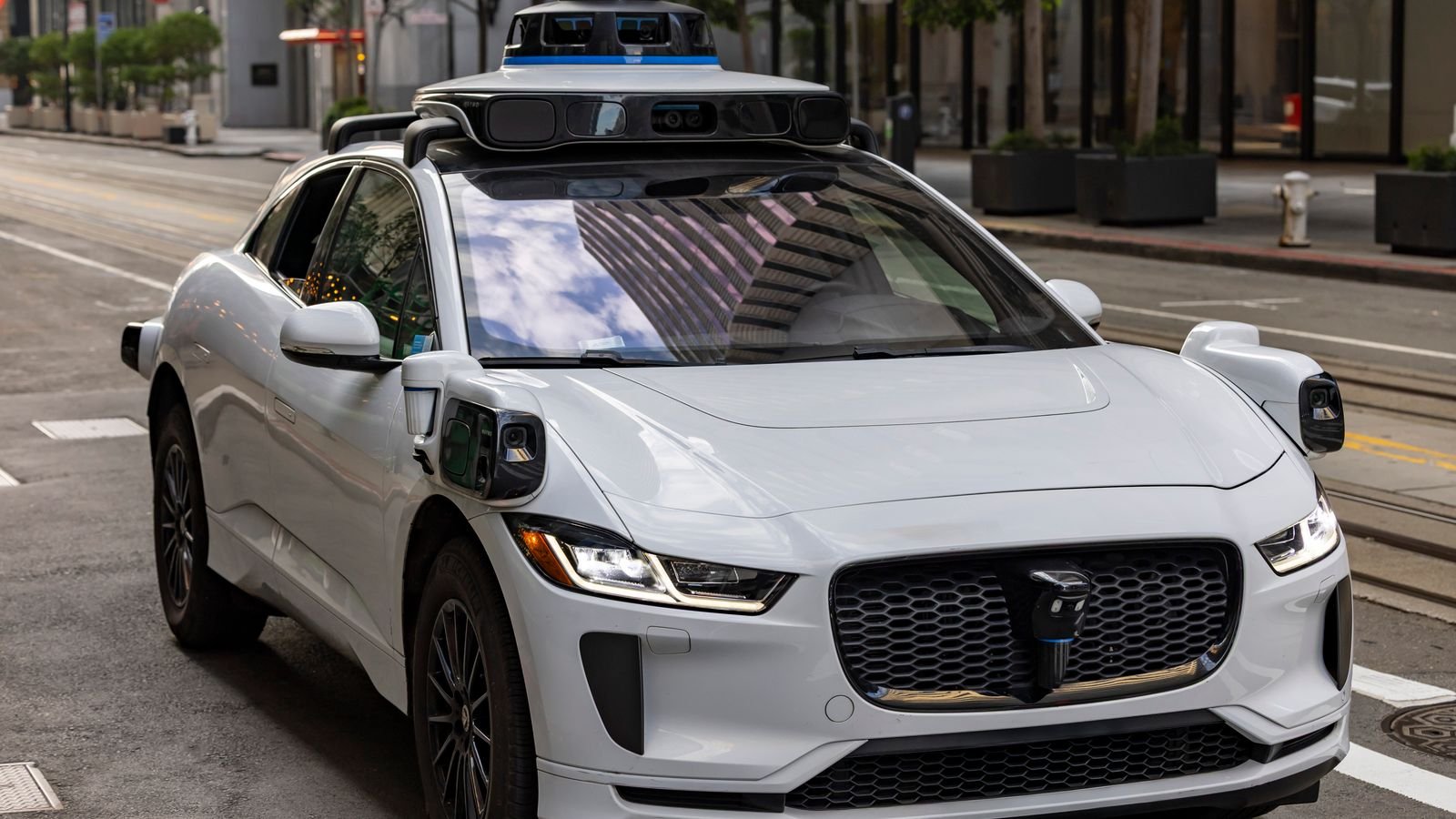
Photo by Stephen Leonardi via Pexels
Beyond the Big Names: A Genuinely Global Race
Venture Atlas’s broader industry tracking shows the competitive field extends well beyond the handful of companies that dominate US headlines. WeRide announced a strategic partnership with Danish shared-mobility operator GreenMobility on August 3, 2026, bringing Level 4 autonomous ride-hailing to Denmark — its sixth European market and first in the Nordic region, targeting public service in the first half of 2027 pending Danish regulatory approval. WeRide reported record Q2 2026 revenue on August 12, with gross margin reaching a record 37.5%, up from 28.1% a year earlier, and CEO Tony Han said the company is now in talks with regulators in Australia while eyeing South Korea, Japan, and Southeast Asia as further expansion markets. Pony.ai, a dual-listed autonomous-driving company, is commercializing Level 4 robotaxi, robotruck, and personally-owned-vehicle technology across nine countries, underpinned by a self-improving world-model training system it upgraded to version 2.0 in April 2026.
The Growth Forecast, and Why It’s Credible
Design News’s coverage of Wood Mackenzie’s analysis identifies the specific technical shift underpinning the firm’s tenfold growth projection: vision-language-action technology is compressing city launch times from years to just months, a genuine acceleration in how quickly a new market can be brought online once the underlying technology and regulatory approval are in place. Waymo itself plans to deliver one million rides weekly by year-end while expanding to 27 US cities, and lower-cost solid-state lidar sensors are increasingly replacing the expensive rotational lidar devices that made earlier-generation autonomous vehicles prohibitively costly to manufacture at scale — a cost curve improvement that matters directly for whether the “10x growth by 2030” projection is achievable, since deployment economics, not just technical capability, has historically been the binding constraint on robotaxi scale-up.
Legacy Automakers Are Making a Different Bet
Not every major auto industry player is chasing full autonomy at the same pace. CBT News’s coverage of CES 2026 notes that full Level 5 autonomy remains years away, prompting legacy automakers such as General Motors and Ford to prioritize revenue-generating Level 2 driver-assistance systems over high-cost, long-term autonomous vehicle projects — a genuinely different strategic bet than Waymo, Tesla, or Zoox’s focus on Level 4 robotaxi services. Meanwhile, Nvidia introduced its Alpamayo platform at the same event to support robotaxi development specifically, forming the backbone for a new alliance between Lucid Group, Nuro, and Uber, with Nvidia’s open-source approach to the platform providing smaller automakers a collaborative alternative to more proprietary systems like Tesla’s.
What This Means for Anyone Evaluating Robotaxi Claims
- Distinguish operational history from stated targets: A company’s demonstrated ride volume and geofence footprint are verifiable; forward-looking targets like “one million rides weekly” or international launch dates are plans, not achievements, until they happen.
- Expansion is inherently geofence-by-geofence: No robotaxi service currently operates without geographic limits, so any expansion announcement should be read as adding a specific mapped area, not unlocking broad, unrestricted service.
- Consumer car “self-driving” and robotaxi “self-driving” are different products: Level 2-3 systems in personal vehicles still require an attentive human driver; Level 4 robotaxi service does not, but only within its specific, limited operating area.
- Cost curves matter as much as capability: The shift toward lower-cost solid-state lidar and faster deployment timelines is arguably as important to the sector’s growth trajectory as any single AI capability improvement.
Frequently Asked Questions
Which companies actually operate driverless robotaxis in 2026?
Waymo operates the largest verified Level 4 fleet, with tens of thousands of weekly paid rides across multiple US cities. Zoox, Tesla, and WeRide also operate driverless services in specific, geofenced markets.
Has any robotaxi company hit one million weekly rides?
Not yet. Waymo has stated a target of one million weekly rides by the end of 2026, but as of the most recent reporting, this remains a stated goal rather than an achieved milestone.
How much is the robotaxi industry expected to grow?
Wood Mackenzie projects the global autonomous vehicle fleet will grow tenfold by 2030, deploying more than 100,000 driverless taxis globally, driven by AI-based technology that compresses new-city launch times from years to months.
What’s the difference between Level 2, 3, 4, and 5 autonomy?
Level 2 requires constant driver supervision; Level 3 allows conditional hands-free driving in specific conditions; Level 4 is fully driverless but only within a defined, mapped area; Level 5 would mean full autonomy anywhere, with no operational limits, and remains largely theoretical.
Sources & Methodology
This article draws on reporting and analysis from: Venture Atlas’s ongoing autonomous vehicle industry tracker, including WeRide, Pony.ai, and Nevada regulatory approval data; Design News’s April 2026 coverage of Wood Mackenzie’s autonomous vehicle growth forecast; Bright Coding’s September 11, 2026 analysis of how self-driving technology is evolving; robofutur.com’s July 2026 “reality check” tracking of fully driverless robotaxi claims versus verified operations; and CBT News’s coverage of autonomous vehicle announcements at CES 2026. Figures and deployment statuses reflect the most recently published information as of this article’s last-updated date and change frequently as new city launches and regulatory approvals occur.
This article is for informational purposes and does not constitute investment advice.