
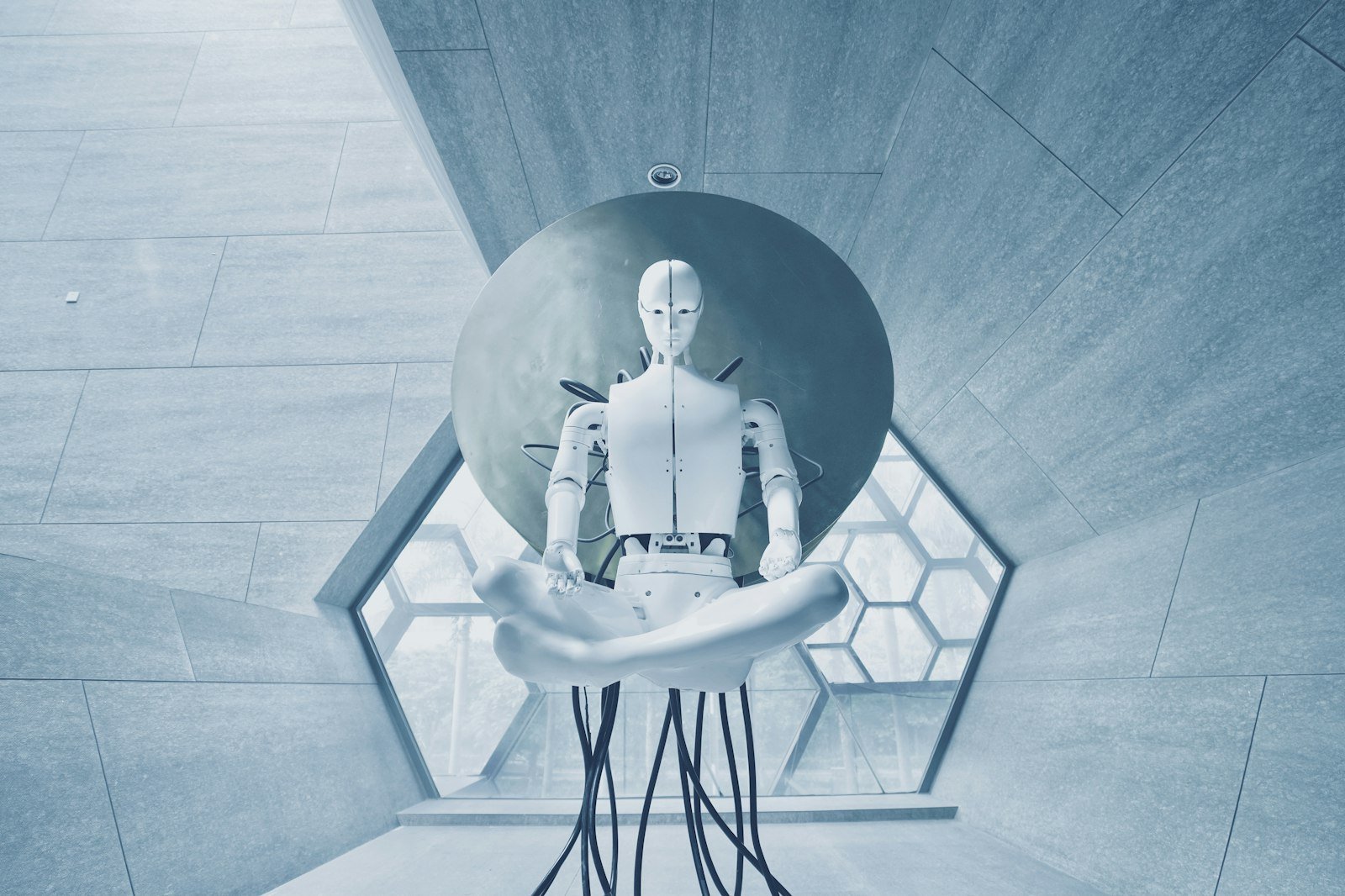
Imagine coming home to a dishwasher that has already been unloaded, a laundry basket that has been folded, and a robot that greets you by name. For years that picture lived in science fiction. In 2026 it has a price tag, a waiting list and a shipping plan. The question for most American households is no longer “will humanoid robots exist?” but “should I take one seriously yet?”
This guide walks through what is actually on offer, what the headline prices hide, and the questions worth asking before you put a deposit on a machine that will live in your kitchen.
Why Home Humanoids Are Suddenly in the Conversation
Factory robots have been around for decades, but they work in cages, on fixed tasks. A humanoid is different. It is built to move through spaces designed for people: doorways, stairs, countertops, closets. The pitch is that one general-purpose machine could handle many small chores instead of ten single-purpose gadgets.
The idea moved from demo videos to commerce when 1X Technologies opened preorders for its NEO home robot on October 28, 2025. Tesla, Boston Dynamics, Figure AI and others are all working on humanoids too, but most are aimed at factories and warehouses first. NEO is the one that has been marketed most directly at living rooms.
What 1X Is Actually Selling
According to reports from The Gadgeteer and a third-party pricing guide, NEO’s “Early Access” ownership option costs $20,000. It includes a three-year warranty, premium support and priority delivery. A subscription option is listed at $499 per month, and the pricing guide says it carries a six-month minimum commitment. A $200 deposit holds a place in line.
Those figures date from the preorder launch, and the guide itself warns that prices can change, so confirm terms directly with 1X before spending anything. Coverage in April 2026 from eWeek described the robot as shipping to US households throughout 2026, and The Next Web reported that 1X opened a 58,000-square-foot plant in Hayward, California with more than 200 staff. It also reported a first-year capacity of 10,000 units, and a target of more than 100,000 units per year by the end of 2027. Those are company claims that the reporting does not independently verify.
The Design Choice That Matters Most: Soft and Safe
A 5-foot-6-inch walking machine in your hallway raises an obvious worry: what happens if it bumps into a toddler or a grandparent? 1X’s answer is a soft design. eWeek reports that NEO wears a 3D-knit bodysuit instead of bare metal or hard plastic. Designer Danny Chambers described the goal as “More like a couch than a refrigerator, for example.”
The company also describes a light body with “no pinch-points,” and the team gave the robot a deliberately cartoonish, genderless look so it feels less unsettling. Vice president Dar Sleeper described the unboxing as the robot walking off, introducing itself and asking your name. None of this proves it is safe in every home, but it shows the safety question is being treated as a design problem rather than an afterthought.
The Honest Catch: Humans May Be Helping
This is the part buyers should read twice. eWeek reports that the first wave of robots will be partly controlled remotely by humans, a human-in-the-loop approach, and that full autonomy is a goal rather than a present reality. The Gadgeteer quotes the company’s own wording: for tasks the robot does not yet know, such as laundry, an expert at 1X can remotely supervise it during scheduled windows.
That is not necessarily a deal-breaker. Teaching a robot new skills by demonstration is how many AI systems improve. But it changes what you are buying. You are not only purchasing hardware; you are inviting a connected camera-and-microphone machine into your home that a remote operator may sometimes steer.
None of the sources I fetched explained how video, audio or home-layout data is stored, who can see it, or how long it is kept. That gap is the single most important thing to resolve before ordering.
What the Sticker Price Leaves Out
The $20,000 headline is not the full cost of ownership. The pricing guide offers its own estimates, which are not official 1X figures:
- Freight: roughly $250 to $500
- Accessories: roughly $200 to $600
- Home insurance rider: roughly $60 to $180 per year
- Sales tax: about $1,600 at 8 percent on a $20,000 purchase
Using those assumptions, the guide estimates a first-year outlay of about $22,100 to $22,880 for the ownership route. Subscribers should do their own math too: at $499 a month, six months is about $2,994 before any extras, and the total keeps growing for as long as you keep the robot.
How the Competition Compares
If NEO is the home-first option, the rest of the field is mostly industrial for now. One 2026 roundup lists a dozen humanoids and notes, for example, that Boston Dynamics’ electric Atlas was unveiled at CES 2026 with 2026 units fully allocated to partners such as Hyundai’s research center and Google DeepMind, with more customer deployments expected in early 2027.
Tesla’s Optimus is the most talked-about name. A Standard Bots overview says Tesla has not confirmed a final price, and quotes Elon Musk saying it could cost between $20,000 and $30,000 at full-scale production. It also says no pre-orders had opened and that Tesla plans internal factory use before any public availability. That page is dated December 2024, so treat it as background rather than a current status report.
One caution: published specifications for these machines vary between sources. Even for NEO, the sources I read disagree on weight, so I have left specs out rather than guess.
A Realistic Scenario: The Johnson Household
Picture a hypothetical two-income family in suburban Ohio with two kids and an aging parent who visits often. They are drawn to the idea of a helper for laundry, dishes and tidying.
Before ordering, they sit down and write three lists. The first covers chores they would hand off today, such as picking up toys and loading the dishwasher. The second covers tasks they would not trust to a robot yet, such as anything near the stove or the stairs when a grandparent is walking. The third lists their privacy dealbreakers: no remote operator in bedrooms or bathrooms, a clear way to schedule and see supervision sessions, and written terms on data deletion.
When they price it out, the total lands well above the headline number once tax, shipping and insurance are included. They decide to put down the refundable deposit only if the company will answer their privacy questions in writing, and otherwise to wait a year for reviews from early owners. That patience is a reasonable default for any first-generation product.
A Pre-Purchase Checklist
- Ask about teleoperation in writing. When can a human see through the robot’s cameras, and can you block it?
- Ask about data retention. What is stored, where, for how long, and can you delete it?
- Confirm the deposit terms. The pricing guide describes the $200 deposit as refundable; verify that on the official order page.
- Check your insurance. Call your homeowner’s insurer before delivery rather than after.
- Measure your home. Narrow staircases, thick rugs and cluttered floors are hard for any walking robot.
- Wait for independent reviews. Company demos are not the same as months of daily use.
Key takeaways
- 1X’s NEO is the most home-focused humanoid so far, listed at $20,000 to own or $499 per month, based on reports from its preorder launch.
- Early robots are expected to rely partly on remote human operators, so privacy terms matter as much as the hardware.
- Budget for extras: one guide estimates a first-year cost above $22,000 for buyers.
- Most other humanoids, including Tesla’s Optimus, are still aimed at factories and have no confirmed consumer date.
- Waiting for independent owner reviews is the lowest-risk move.
Frequently Asked Questions
Can I actually buy a humanoid robot for my house today?
Preorders for NEO opened in October 2025, and 2026 reporting describes deliveries to US households during the year. Availability, timing and terms can change, so check the official 1X order page for the current status.
Will a home humanoid do chores on its own?
Not fully, at least at first. Reporting says early units will lean on remote human supervision for tasks they have not learned, with greater autonomy expected through software updates over time.
Is Tesla’s Optimus available to consumers?
Based on the sources I fetched, no. Tesla has not confirmed a final price, Musk has floated a $20,000 to $30,000 range at scale, and Tesla planned internal factory use first. That information is older, so check Tesla’s own announcements for updates.
The Bottom Line
Home humanoids are real products now, but they are early ones. The hardware story is compelling and the safety-first design is encouraging. The open questions are privacy, true autonomy and the full cost of ownership. If you are curious, put your questions to the company in writing, keep your deposit decisions modest, and let the first wave of owners tell you what the demos do not.
Sources
- The Gadgeteer: 1X NEO coverage (May 20, 2026)
- The Pricer: How much does the 1X NEO home robot cost
- eWeek: 1X’s $20K Robot Targets US Homes in 2026
- Let’s Data Science: 1X ships NEO humanoid robots to US homes
- Humanoid Robotics Technology: Top 12 humanoid robots of 2026
- Standard Bots: Tesla robot overview