

Last updated: September 2026. Editorial Team — researched using reporting from Tech Insider Canada and Tom’s Hardware. See “Sources & Methodology” for our full source list.
Quick Answer
Both Intel and AMD’s next flagship desktop CPU platforms have now slipped to 2027, according to Tech Insider Canada’s analysis of leak patterns and platform documentation through early September 2026 — meaning a full year without a new flagship desktop CPU launch from either company. Intel’s Nova Lake first wave, the 28-core single-tile parts, is likely to formalize in a Q1 2027 launch window, with the 52-core dual-tile flagship arriving later in 2027. AMD will almost certainly use CES 2027 to formally unveil its Olympic Ridge desktop chips, with retail availability landing between March and June 2027. Underlying both delays is a genuine industry-wide supply shift: TSMC’s 2nm wafer pricing has reportedly climbed toward $30,000 per wafer, with capacity booked out to 2028, driven overwhelmingly by AI accelerator demand rather than client CPU volume.
Why Both Companies Slipped at the Same Time
Tech Insider Canada’s analysis is direct about the underlying dynamic connecting both delays: broader semiconductor forecasts for 2026 point to industry-wide sales climbing sharply, driven overwhelmingly by AI accelerator demand rather than client CPU volume. That distinction matters enormously for understanding why consumer desktop chips specifically have been pushed back: when a foundry’s advanced manufacturing capacity is booked years in advance by AI chip customers willing to pay premium prices, that capacity simply isn’t available for lower-margin consumer CPU production on the same timeline it might have been in a less AI-dominated manufacturing environment.
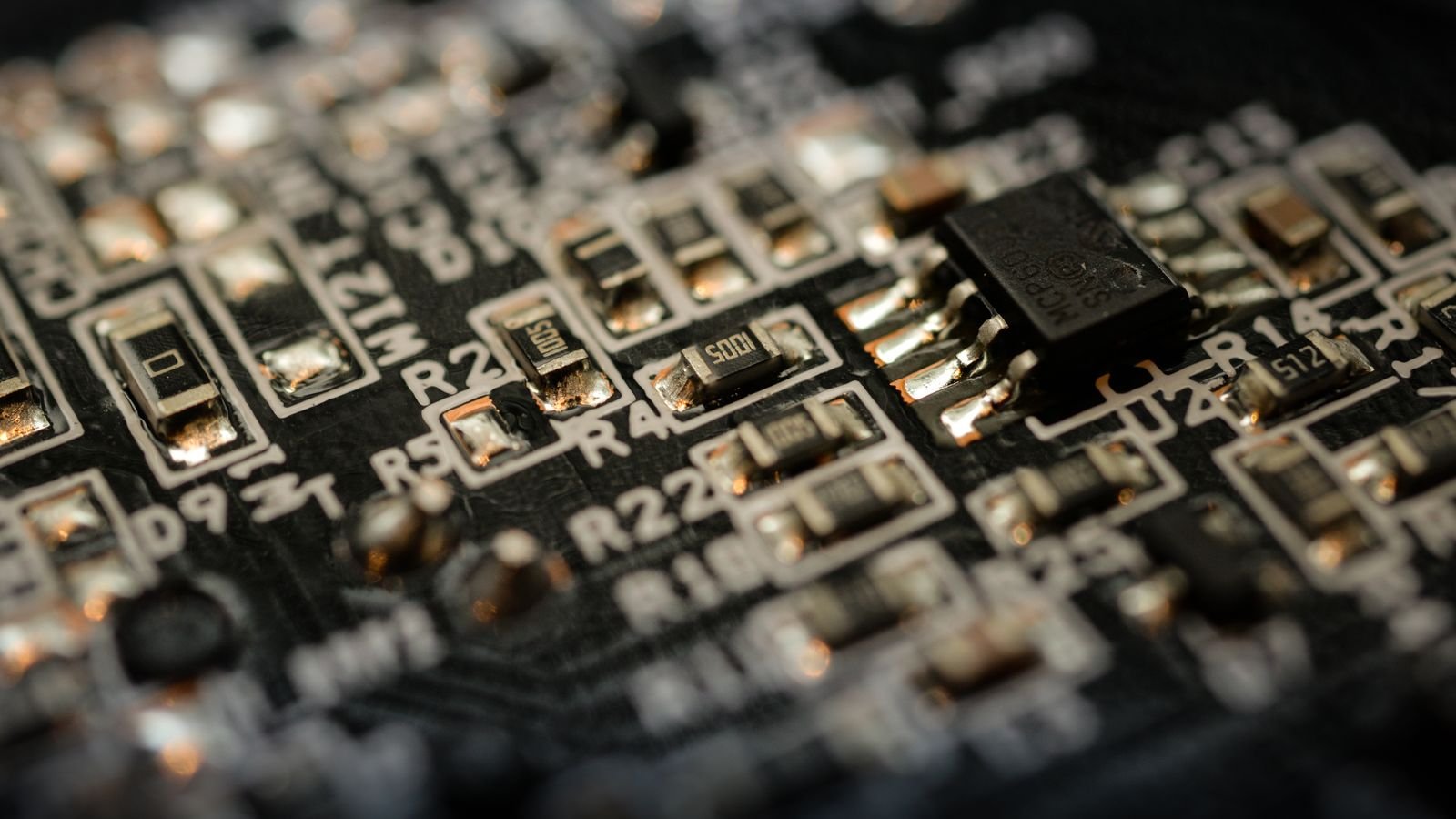
Photo by ClickerHappy via Pexels
The Specific Cost Pressure Flowing Downstream
The analysis notes TSMC’s 2nm wafer pricing has reportedly climbed toward $30,000 per wafer, with capacity booked out to 2028 — a cost pressure that flows directly into whatever AMD eventually charges for Zen 6 parts built on a comparable node. That’s a genuinely significant detail for anyone planning a future PC purchase: elevated wafer costs at the manufacturing level don’t simply disappear once a chip reaches retail, they typically show up as higher launch pricing for the eventual consumer product, meaning the delay itself may be accompanied by less favorable pricing than prior CPU generations once these chips do arrive.
Intel’s Specific Timeline, in Detail
Tech Insider Canada’s reporting, compiled from motherboard and CPU-Z leaks through early September 2026, places Intel’s Nova Lake desktop launch specifically: the first consumer wave, 28-core single-tile parts, is likely to formalize in a Q1 2027 launch window, with the larger 52-core dual-tile flagship arriving later in 2027 rather than alongside the entry-level parts. Intel has not issued an official launch date for Nova Lake desktop, but the analysis notes the leak trail has become remarkably consistent since engineering samples reportedly began shipping to partners earlier this year — a pattern that generally increases confidence in the projected timeline, even without an official company confirmation.
AMD’s Parallel Delay and Its Own Stated Priorities
Tom’s Hardware’s coverage of AMD’s own roadmap disclosures adds useful context on how the company has been framing its priorities during this delay window. AMD CTO Mark Papermaster highlighted that both Zen 6 and Zen 6C will benefit from IPC (instructions per clock) improvements, extracting higher performance while offering expanded AI features across the Ryzen and EPYC product lines. Notably, Tom’s Hardware’s coverage observes that since AMD’s relevant Financial Analyst Day presentation was aimed specifically at investors, there was more focus on the company’s artificial intelligence ambitions than on thorough technical insight into the consumer chips themselves — a detail that itself illustrates how much AI has become the primary strategic focus even in presentations nominally about traditional CPU architecture.

Photo by Pixabay via Pexels
What This Means for Retail and Holiday Shopping
Tech Insider Canada’s analysis draws out a specific, practical consequence for consumers and retailers: a full year without a flagship desktop CPU launch from either company means holiday 2026 and Q1 2027 promotions will likely lean on price cuts for current Ryzen 9000X3D and Arrow Lake Refresh stock, rather than new-platform hype driving sales. The analysis notes this is a pattern Canadian retailers have already used successfully with GPU and console inventory this year — suggesting the industry has genuine, tested playbooks for maintaining sales momentum during periods without new flagship hardware, even if it means a less exciting product cycle for enthusiast buyers specifically.
Beyond Desktop: AMD’s Workstation and Enterprise Moves
While flagship consumer desktop chips face delays, AMD has continued shipping in adjacent, AI-focused product categories. Tom’s Hardware’s broader coverage notes AMD unveiled a Threadripper Halo Station AI workstation packing 96 cores and dual liquid-cooled MI350P accelerators — illustrating that the delay affects mainstream consumer desktop platforms specifically, not the company’s entire product roadmap, with AI-oriented workstation and enterprise products continuing to ship on a more active cadence.
What This Means for Anyone Planning a PC Build
- Current-generation chips remain the practical choice through most of 2026 and into 2027: With no new flagship desktop launches expected from either company until 2027, existing Ryzen 9000X3D and Arrow Lake Refresh parts are likely to be the best available options for a substantial stretch.
- Expect holiday promotions on existing inventory rather than new-platform hype: Retailers are expected to lean on price cuts for current-generation stock through the 2026 holiday season and into early 2027.
- Pricing on eventual next-generation chips may reflect elevated manufacturing costs: With TSMC’s advanced node wafer pricing climbing significantly, buyers should be prepared for the possibility that Zen 6 and Nova Lake pricing doesn’t follow the same pattern as prior CPU generation-over-generation pricing.
Frequently Asked Questions
When will Intel’s next flagship desktop CPU launch?
Intel’s Nova Lake first wave (28-core single-tile parts) is expected to formalize in a Q1 2027 launch window, with the 52-core dual-tile flagship arriving later in 2027.
When will AMD’s Zen 6 desktop chips launch?
AMD is expected to formally unveil its Olympic Ridge desktop chips at CES 2027, with retail availability landing between March and June 2027.
Why did both Intel and AMD delay their next flagship CPUs?
Both delays are tied to broader semiconductor manufacturing capacity being dominated by AI accelerator demand, with TSMC’s 2nm wafer pricing climbing toward $30,000 per wafer and capacity booked out to 2028.
What should I do if I need a new PC before 2027?
Current-generation chips like Ryzen 9000X3D and Arrow Lake Refresh are expected to remain the practical choice, with retailers likely offering price cuts on existing inventory through the delay period rather than new-platform launches.
Sources & Methodology
This article draws on reporting from: Tech Insider Canada’s September 2026 analysis of Intel Nova Lake and AMD Zen 6 launch timelines, based on leak patterns and platform documentation; and Tom’s Hardware’s coverage of AMD’s Financial Analyst Day roadmap disclosures, including quoted commentary from CTO Mark Papermaster, and its coverage of the Threadripper Halo Station AI workstation. Figures and timelines reflect the most recently published information as of this article’s last-updated date and remain subject to change pending official confirmation from Intel and AMD.
This article is for informational purposes and does not constitute investment advice.