
Last updated: September 2026. Editorial Team — researched using data from Cleanview, PwC, and reporting from Data Center Knowledge and DataX Connect. See “Sources & Methodology” for our full source list.
Quick Answer
The AI-driven data center buildout has reached a genuinely enormous scale in 2026. Cleanview’s September tracker counts 1,306 operating US data center facilities with 61,443 MW of reported operating power, alongside 2,091 additional planned projects representing 380,103 MW of future capacity — meaning planned capacity now outnumbers currently operating capacity more than six times over. PwC projects global investment in AI infrastructure will reach $31.6 trillion through 2050, while the US Energy Information Administration expects domestic power use to hit record highs in both 2026 and 2027 as AI demand surges. At Data Center World 2026, engineering leaders from Oracle Cloud Infrastructure, Nvidia, and Google described a fundamental shift already underway: facilities evolving from general-purpose IT environments into tightly integrated compute systems built specifically for AI training and inference.
Why Planned Capacity Isn’t the Same as Available Capacity
The gap between operating and planned data center capacity carries a specific, practical warning worth understanding for anyone evaluating AI infrastructure announcements. Coverage of the September tracker data is direct about this distinction: announced gigawatts do not guarantee near-term access, since planned capacity depends on securing power, cooling water, grid connections, and construction timelines that can stretch years beyond an initial announcement. That gap matters concretely for businesses building AI-dependent products: treating a headline capacity announcement as immediately available compute would be a genuine planning mistake, given how much can happen between a project’s announcement and its actual operational date.
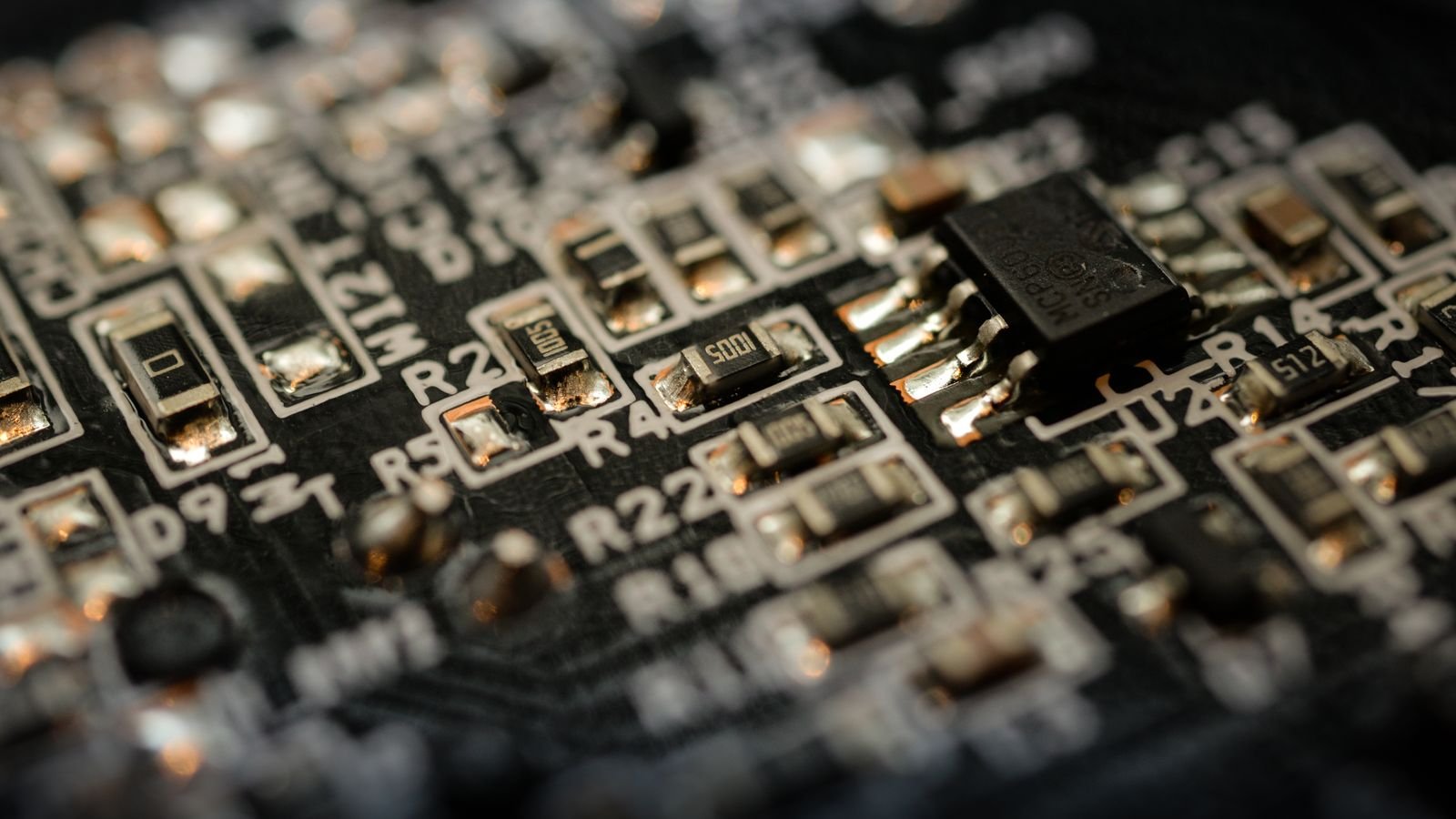
Photo by ClickerHappy via Pexels
A Structural Shift in How Data Centers Are Being Designed
Data Center Knowledge’s coverage of Data Center World 2026 captures a specific architectural transformation happening across the industry: engineering leaders from Oracle Cloud Infrastructure, Nvidia, and Google all described facilities moving away from general-purpose IT infrastructure toward tightly integrated compute systems purpose-built for AI training and inference specifically. That shift is showing up across every layer of infrastructure, from power and cooling architectures to network design and construction timelines themselves, according to the coverage — meaning this isn’t simply a matter of installing more powerful chips into existing data center designs, but a more fundamental rethinking of how these facilities are built from the ground up.
The Power Constraint Is Becoming the Real Bottleneck
The US Energy Information Administration’s projection that domestic power use will hit record highs in both 2026 and 2027 as AI demand surges points to what may be the single most consequential constraint on the entire AI infrastructure buildout: electricity, not chips, increasingly represents the binding limit on how quickly new AI compute capacity can actually come online. This dynamic is playing out concretely in specific projects tracked by industry sources: Cerebras and Compute Nordic Finland announced a new 165 MW AI data center in Mikkeli, Finland, while Firmus surpassed 900 MW of contracted capacity and added OpenAI as an anchor customer while expanding into Malaysia — both examples of operators actively securing power capacity as a genuine competitive resource, not simply a background utility cost.
The Scale of Capital Flowing Into the Buildout
PwC’s analysis of where AI infrastructure capital is actually flowing projects global investment reaching $31.6 trillion through 2050, according to DataX Connect’s summary of the report — a figure spanning decades rather than a single year, but still illustrating the sheer scale of capital commitment the industry expects this buildout to require. That capital is flowing across a genuinely global footprint: Microsoft announced its Saudi Arabia East datacenter region will become available in November 2026, AWS and Humain committed to bringing 50MW online at a Saudi AI Zone by 2028, and Nvidia announced a major expansion of its own data center capacity in partnership with Australia’s data center ecosystem.

Photo by Pixabay via Pexels
Local Resistance Is a Genuine, Growing Counterforce
Not every community is welcoming this buildout without pushback, and this resistance represents a real, underappreciated factor in how quickly planned capacity can actually get built. DataX Connect’s weekly tracking documents specific local opposition: a public hearing was set for a proposed 300MW AI data center in Larbert, thousands signed a petition against a proposed data center near Reading, and a data center proposal at a former Hynix site was rejected by officials in Eugene, Oregon. Thailand’s government has gone further still, asking data center operators to suspend 49 buildouts entirely until new legislation creating what’s described as an “airtight” regulatory framework for large-scale data centers is complete. These aren’t isolated incidents — they represent a genuine, active tension between AI infrastructure’s rapid growth ambitions and the local communities where that infrastructure physically gets built.
Companies Are Testing Automation to Manage Rising Costs
As infrastructure costs climb alongside this buildout, some operators are exploring automation as a direct cost-management strategy within the data centers themselves. DataX Connect’s tracking notes Meta has been testing robots for data center operations specifically to help manage operational costs — a detail worth understanding within the broader context of an industry where compute, power, cooling, and storage costs are all climbing simultaneously, making operational efficiency an increasingly important lever alongside simply building more capacity.
What This Means for Businesses Building on AI Infrastructure
- Vendor and region concentration carries real, underappreciated risk: Relying on a single cloud region, model provider, or storage configuration can leave a business meaningfully exposed if that specific piece of infrastructure faces delays, price increases, or local regulatory pushback.
- Treat hosting and compute access as a genuine strategic decision, not a back-office detail: The cost and availability of compute now directly shapes what AI features a company can realistically ship, where it can operate, and how it should think about privacy and data location.
- Planned capacity timelines deserve real scrutiny: Given how many planned projects face local opposition, regulatory delays, or power-access constraints, businesses planning around future compute availability should build in meaningful timeline buffers rather than assuming announced capacity arrives on schedule.
Frequently Asked Questions
How many data centers are currently operating in the US?
Cleanview’s September 2026 tracker counts 1,306 operating US data center facilities with 61,443 MW of reported operating power, alongside 2,091 additional planned projects representing 380,103 MW of future capacity.
How much is expected to be invested in global AI infrastructure?
PwC projects global investment in AI infrastructure will reach $31.6 trillion through 2050.
Why is electricity becoming a major constraint on AI infrastructure growth?
The US Energy Information Administration expects domestic power use to hit record highs in both 2026 and 2027 as AI demand surges, making power availability, not just chip supply, an increasingly binding constraint on new data center capacity.
Is local opposition slowing down data center construction?
Yes, in specific documented cases. Communities in Larbert, Reading, and Eugene have pushed back on or rejected proposed data centers, and Thailand’s government has asked operators to suspend 49 buildouts pending new regulatory legislation.
Sources & Methodology
This article draws on data and reporting from: Cleanview’s September 2026 US data center tracker, as summarized by Mean.CEO; Data Center Knowledge’s coverage of Data Center World 2026; DataX Connect’s Weekly Data Centre News roundups for September 4 and September 11, 2026, including PwC’s AI infrastructure investment analysis; and the US Energy Information Administration’s power demand projections. Figures reflect the most recently published data as of this article’s last-updated date.
This article is for informational purposes and does not constitute investment advice.