
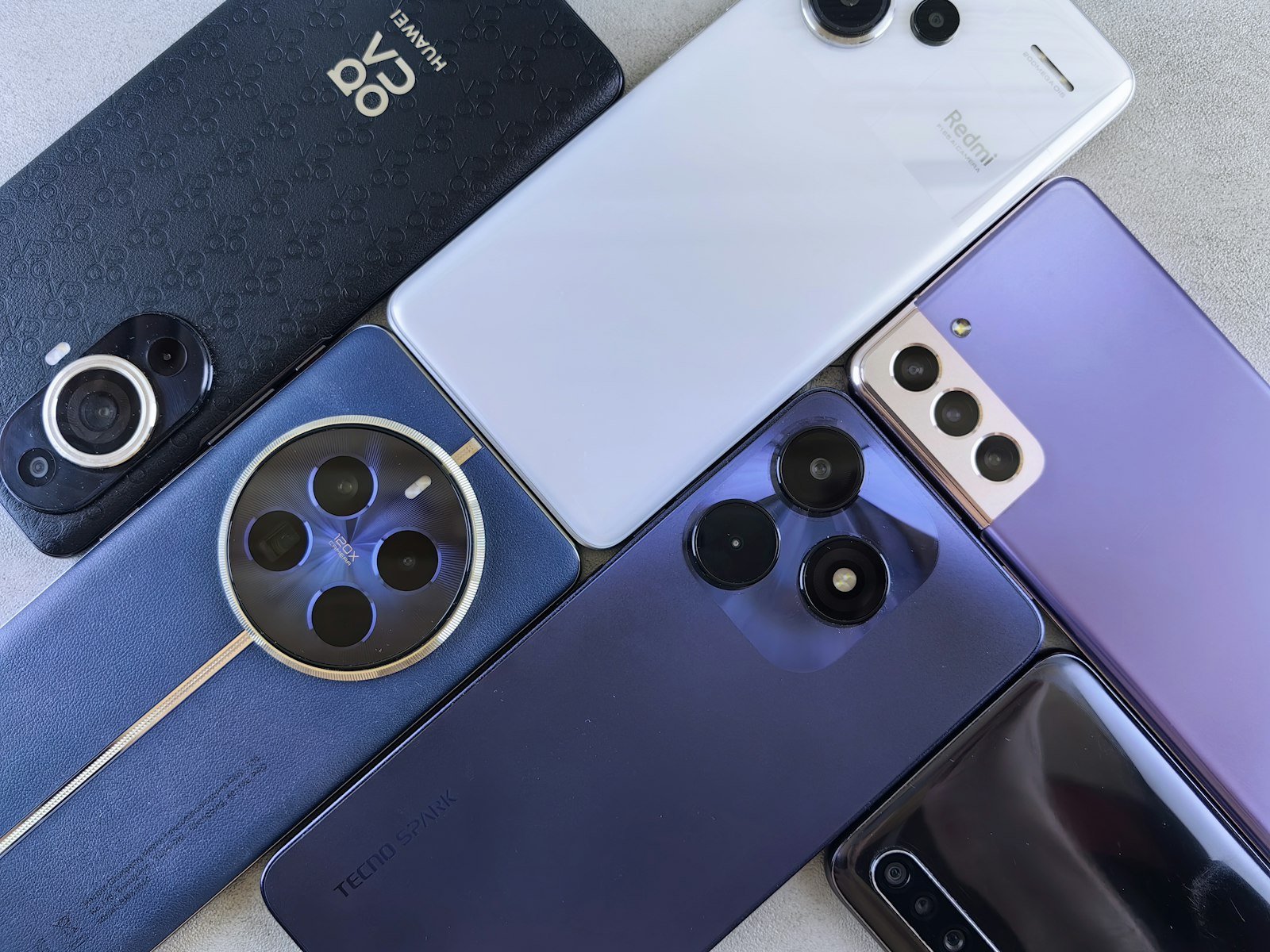
Phone makers love big numbers. Megapixel counts, zoom multipliers and lens counts dominate product pages, yet they often tell you surprisingly little about the photos you will actually take. Camera quality emerges from a combination of hardware and software, and a spec sheet captures only part of that. This guide explains the most common specifications, what they do and do not mean, and how to judge a phone camera more sensibly.
Megapixels: The Most Misleading Number
Megapixels simply count how many pixels a sensor has. More pixels can mean more detail in good light, and more room to crop. But pixel count is only one factor. If a sensor packs more pixels into the same physical area, each pixel is smaller and gathers less light, which can hurt low-light performance and increase noise.
Many phones also combine groups of neighboring pixels into one larger effective pixel, a technique often called pixel binning. In this case, the headline megapixel figure may describe the sensor’s raw grid, while everyday photos are saved at a lower resolution. Neither approach is wrong, but it means you cannot compare phones by megapixels alone.
Sensor Size Often Matters More
Physics favors larger sensors because they collect more light. More light generally means cleaner images, better dynamic range and more natural background blur. Sensor size is often written as a fraction of an inch, and a larger value indicates a larger sensor. When two phones have similar processing, the one with the bigger main sensor usually has an advantage in dim conditions. Not every manufacturer lists this, so it is worth checking detailed reviews or technical pages.
Aperture: The F-Number
Aperture describes how wide the lens opens, written as f/ followed by a number. A smaller number means a wider opening and more light reaching the sensor. A wide aperture helps in low light and can produce a shallower depth of field. Keep in mind that the differences between, say, two nearby f-numbers are modest, and good tuning can matter more than the raw figure.
Lens Count and Lens Roles
A phone with four cameras is not automatically better than one with three. What matters is the quality and purpose of each lens. Typical roles include:
- Main camera: The workhorse for most shots, usually with the best sensor.
- Ultrawide: Captures a broader view, useful for landscapes, architecture and group photos. Quality here is often weaker than on the main camera, especially in low light.
- Telephoto: Offers optical zoom with a dedicated lens, keeping detail that digital cropping cannot match.
- Macro or depth sensors: Often low-resolution add-ons that contribute little. Be skeptical when they are used to inflate the lens count.
Optical Zoom Versus Digital Zoom
Optical zoom uses a real lens to magnify the scene, preserving detail. Digital zoom crops the image and enlarges it, which loses detail unless software works hard to reconstruct it. Some phones use a high-resolution sensor to crop in with decent quality, and many apply processing to sharpen the result. Still, if you frequently zoom, look for a dedicated telephoto lens and check sample photos at the zoom levels you will actually use.
Stabilization
Two main types exist. Optical image stabilization moves the lens or sensor to counteract hand shake, helping with sharper low-light photos and smoother video. Electronic stabilization uses software, typically by cropping and shifting frames. Both are useful, and they can work together. For night photos and video, optical stabilization on the main camera is a meaningful advantage.
Autofocus
Fast, reliable focus is essential, especially for pets, kids and action. Specs may mention various focus technologies, but the practical test is simple: how consistently does the phone lock onto the subject? Reviews that test focus in real situations are more informative than any abbreviation on a spec list.
Video Specs
Resolution and frame rate figures, such as 4K at a given frames per second, indicate capability, not quality. Look at stabilization, dynamic range handling, audio quality and how well the camera adapts when moving between bright and dark areas. Features like log or high-dynamic-range recording matter mostly to people who plan to edit footage.
Software Is Half the Camera
Modern phone photography relies heavily on computational techniques: combining multiple frames, tuning exposure, reducing noise, and shaping color and contrast. This is why two phones with similar hardware can produce noticeably different photos. Each brand has a look. Some favor punchy, saturated color; others aim for a flatter, more natural rendering. Neither is objectively correct, so choose the one you enjoy.
How to Evaluate a Camera Properly
- Look at real samples. Compare photos in conditions you care about, such as indoor light, night scenes or portraits.
- Check consistency. A camera that delivers good results every time is more useful than one that is occasionally spectacular.
- Test speed. Shutter lag and processing time affect whether you capture the moment.
- Consider your habits. If you rarely use zoom, a telephoto lens adds little value to you.
- Try it in person. If possible, take a few shots in a store or during a return window.
Spec Sheet Red Flags
- Big numbers with no context, such as a huge digital zoom claim.
- Extra lenses with unlisted or low resolution.
- Marketing terms that do not describe a measurable feature.
- Sample images that are heavily edited or shot by professionals under ideal conditions.
The Bottom Line
A phone camera is a system: lens, sensor, stabilization, processing and your own habits all play a role. Use the spec sheet to narrow your choices, but let real-world samples and your own priorities make the final decision. The best camera phone is the one that reliably captures the moments you care about, whatever the numbers say.